A large-scale drone attack targeting the Moscow region has intensified tensions between Russia and Ukraine, marking one of the most significant aerial assaults on Russian territory since the war began. Russian authorities reported that at least three people were killed and several others injured after waves of Ukrainian drones struck areas surrounding Moscow overnight. The attack reflects the growing role of drone warfare in modern conflicts and highlights the increasing vulnerability of major cities far from traditional frontlines.
A New Phase of Modern Warfare
According to Russian officials, hundreds of drones were intercepted across multiple regions during the overnight assault. Moscow’s air defense systems reportedly shot down many incoming drones, yet several still managed to cause casualties and infrastructure damage. Russian authorities described the incident as one of the largest coordinated drone attacks aimed at the capital region in recent years.
Military analysts say the attack demonstrates how unmanned aerial vehicles (UAVs) are reshaping modern warfare. Unlike traditional missile systems, drones are often cheaper, more flexible, and capable of bypassing defenses through coordinated swarm tactics.
Security expert Elena Morozov explained:
“Drone warfare has changed the battlefield completely. Even heavily defended cities now face continuous security challenges from low-cost aerial technology.”
Why Drone Warfare Is Expanding
Both Russia and Ukraine have increasingly relied on drones throughout the conflict for surveillance, reconnaissance, and precision strikes. In recent months, long-range drone operations have become more frequent as both sides attempt to weaken military infrastructure, fuel supplies, and logistical networks.
Key reasons drones are becoming central to warfare include:
- Lower operational costs compared to missiles
- Ability to strike targets hundreds of kilometers away
- Difficulty detecting smaller drones on radar
- Reduced risk to military personnel
- Psychological pressure on civilian populations
Experts warn that the growing accessibility of drone technology could influence future conflicts worldwide.
Impact on Civilians and Infrastructure
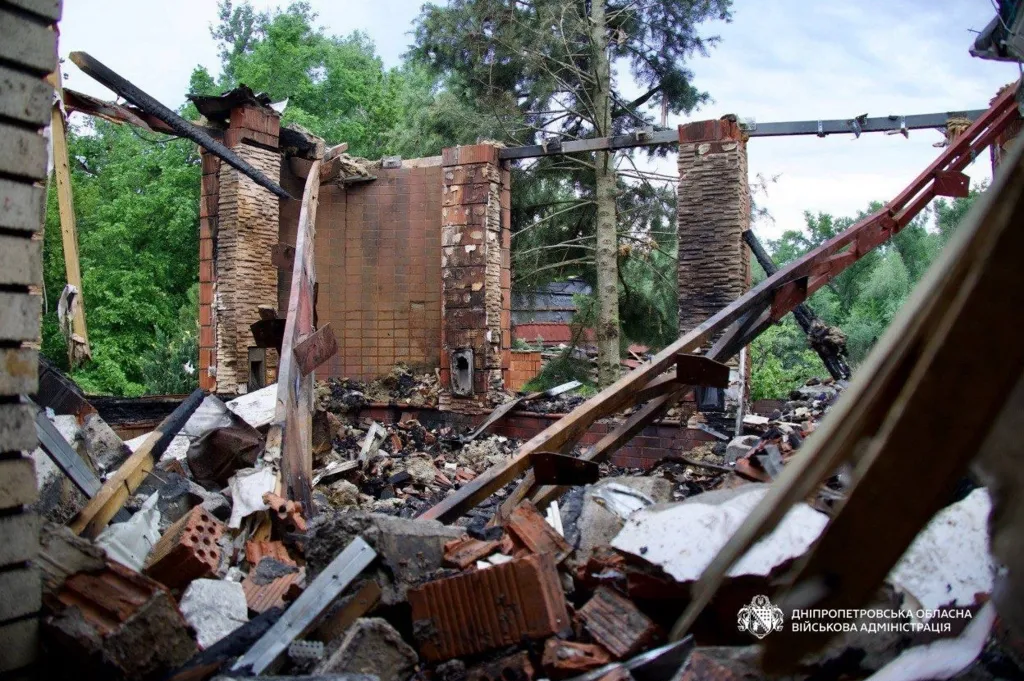
The Moscow region attack reportedly damaged residential buildings and disrupted transportation systems, while emergency crews responded throughout the night. Civilian casualties have become increasingly common as urban areas face aerial attacks from both sides of the conflict.
Human rights organizations continue to express concern over the humanitarian consequences of attacks targeting populated regions. Although military facilities are often described as intended targets, experts say densely populated cities remain highly vulnerable to unintended damage.
Recent case studies from the conflict show:
- Energy infrastructure disruptions causing widespread blackouts
- Damage to airports and transportation hubs
- Increased civilian displacement
- Rising psychological stress among residents
International Reactions and Global Concerns
World leaders and international observers are closely monitoring the escalation. NATO countries and European allies have expressed concern that continued long-range strikes could further destabilize the region and increase the risk of broader confrontation.
Some analysts believe the attacks are part of Ukraine’s strategy to pressure Russia internally by demonstrating that major Russian cities are no longer immune from the war’s consequences. Russian officials, meanwhile, accuse Ukraine of deliberately targeting civilians — allegations Kyiv has repeatedly denied.
Political analyst Daniel Carter noted:
“The psychological impact of drone attacks on capital regions can be as significant as the physical destruction itself.”
Lessons From Previous Drone Attacks
This is not the first time Moscow has faced drone threats. Since 2023, multiple incidents involving drone strikes near the Russian capital have exposed weaknesses in air defense systems and raised questions about urban security preparedness.
Military experts suggest governments worldwide may now increase investments in:
- Advanced anti-drone technology
- AI-powered detection systems
- Electronic warfare defenses
- Urban emergency preparedness programs
Countries across Europe, the Middle East, and Asia are already studying the Russia-Ukraine conflict as a real-world example of how drone warfare could shape future global security threats.
What Happens Next?
The latest escalation is expected to increase tensions between Moscow and Kyiv at a time when peace negotiations remain fragile. Analysts predict that both sides may continue expanding drone capabilities, potentially leading to larger and more sophisticated aerial operations in the future.
Security experts recommend several actions moving forward:
- Strengthening civilian emergency systems
- Improving international conflict mediation efforts
- Expanding investment in defensive technologies
- Increasing humanitarian support for affected communities
Conclusion
The large-scale drone attack on the Moscow region represents a significant moment in the evolution of modern warfare. Beyond the immediate casualties and destruction, the incident highlights how rapidly advancing drone technology is changing global conflict dynamics.
As the Russia-Ukraine war continues, the international community faces growing pressure to address both the humanitarian consequences and the broader security implications of drone warfare. Long-term peace will likely depend not only on military strategy but also on diplomacy, international cooperation, and efforts to reduce civilian suffering on all sides of the conflict.