
Introduction
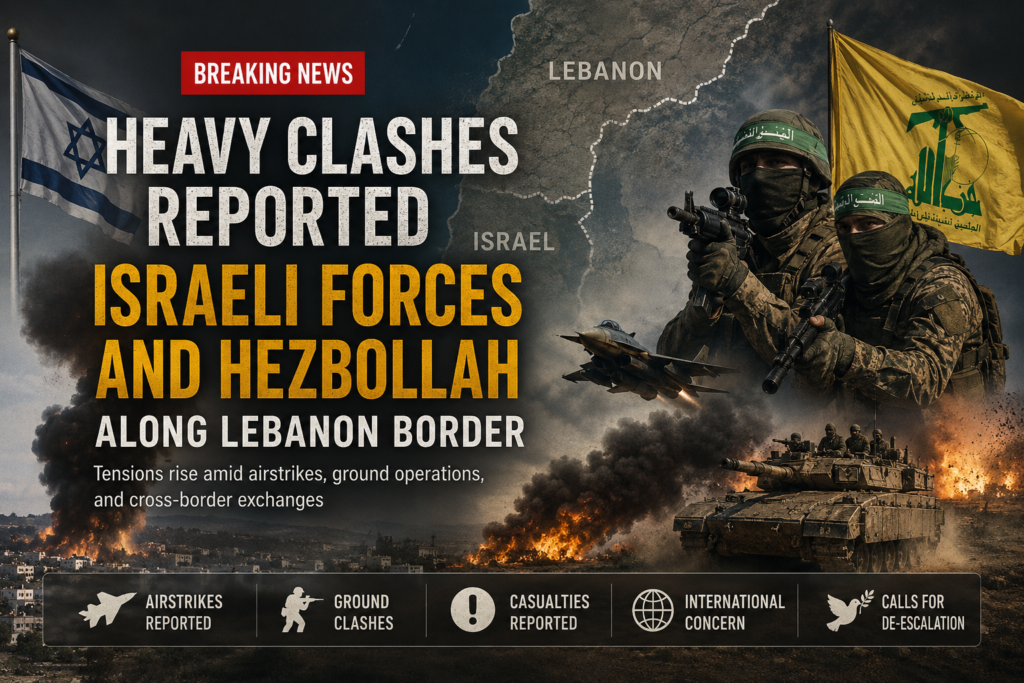
Heavy clashes were reported between Israeli forces and Hezbollah fighters along areas near the Lebanon-Israel border early today, according to regional media reports and security sources monitoring developments in southern Lebanon.
The fighting comes amid growing tensions in the Middle East and follows a series of military operations, airstrikes, and cross-border exchanges that have increased concerns about the possibility of a wider regional conflict.
Military analysts warn that the latest developments could mark another significant escalation in the already fragile security situation along the border.
Escalation in Southern Lebanon
Reports indicate that fighting intensified during the early morning hours after Israeli military operations reportedly expanded in parts of southern Lebanon.
Regional media outlets reported exchanges of fire between Israeli forces and Hezbollah fighters in several border areas.
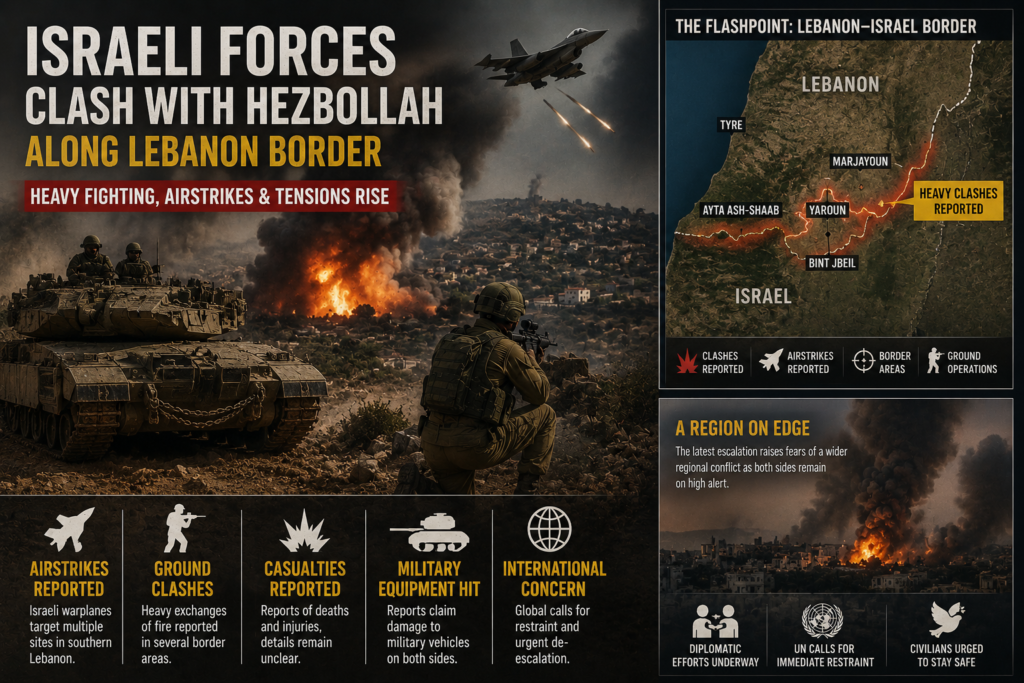
The clashes occurred after overnight airstrikes that reportedly targeted multiple locations inside Lebanon.
Witnesses and local sources described hearing explosions and heavy gunfire in areas close to the border, although details remained difficult to independently verify.

Airstrikes and Military Operations
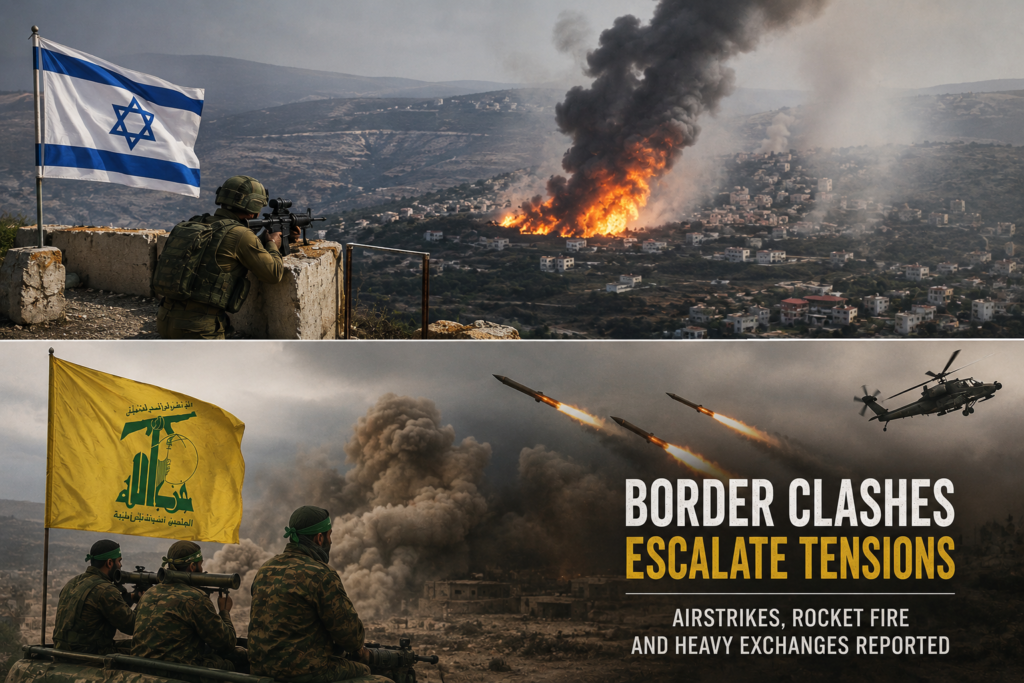
According to reports, Israeli warplanes carried out strikes against locations believed to be linked to Hezbollah activities.
The strikes reportedly targeted infrastructure and positions in different areas of southern Lebanon.
Military observers note that air operations often precede or support broader military objectives on the ground.
The Israeli military has not publicly disclosed the full scope of its operations, while Hezbollah-affiliated media outlets reported resistance to advancing forces in several sectors.
Reports of Casualties and Damage
Regional media reported casualties and injuries resulting from the clashes.
Several reports also claimed that military vehicles were damaged during the fighting.
However, information regarding the exact number of casualties and the extent of the damage remains unclear.
Conflicting reports from different sources highlight the difficulty of verifying battlefield information during active military operations.
Analysts caution that early reports should be treated carefully until additional confirmation becomes available.
Hezbollah’s Response
Hezbollah-affiliated media reported that fighters engaged Israeli forces in multiple locations and claimed resistance operations had taken place against advancing units.
The group has stated on several occasions that it would respond to military actions affecting Lebanon.
Observers note that Hezbollah remains one of the most powerful non-state military actors in the Middle East, possessing significant military capabilities and influence within Lebanon.
Israel’s Security Concerns
Israeli officials have repeatedly expressed concerns regarding security threats originating from southern Lebanon.
The border region has remained one of the most sensitive flashpoints in the Middle East for decades.
Security analysts argue that both sides view the area as strategically important, making any escalation particularly dangerous.
Israeli military planners continue to monitor developments closely as operations unfold.
Risk of Wider Regional Escalation
The latest clashes have renewed fears that broader regional actors could become involved if tensions continue to increase.
Governments across the Middle East and beyond are closely watching developments.
International organizations have repeatedly called for restraint and urged all parties to avoid actions that could trigger a larger conflict.
A prolonged escalation could affect regional stability, energy markets, and diplomatic efforts across the Middle East.
International Reactions
Several governments have expressed concern about the deteriorating security situation.
Diplomatic sources continue to emphasize the importance of dialogue and de-escalation.
Global leaders remain concerned that continued violence could create new humanitarian challenges and increase instability across the region.
The United Nations and other international organizations have frequently urged all parties to respect international law and avoid actions that place civilians at risk.
What Happens Next?
Military analysts believe the coming days could prove critical.
If hostilities continue, both sides may increase military activity along the border.
At the same time, diplomatic efforts may intensify as regional and international actors attempt to prevent further escalation.
The situation remains fluid, and developments on the ground could change rapidly.
Conclusion
The reported clashes between Israeli forces and Hezbollah represent another serious development in the ongoing tensions along the Lebanon-Israel border.
While many details remain unclear, the fighting highlights the fragile security environment in the region and the continuing risk of broader conflict.
As military operations and diplomatic efforts continue, the international community will be closely monitoring events to determine whether tensions can be contained or whether the crisis will deepen in the days ahead.