
Introduction
The Middle East remains one of the most closely watched regions in global politics, and recent developments have once again drawn international attention. Despite diplomatic efforts and ceasefire agreements intended to reduce tensions, violence has continued between Israel and Hezbollah. The ongoing exchanges of strikes have raised concerns among governments, security experts, humanitarian organizations, and civilians living in affected areas.
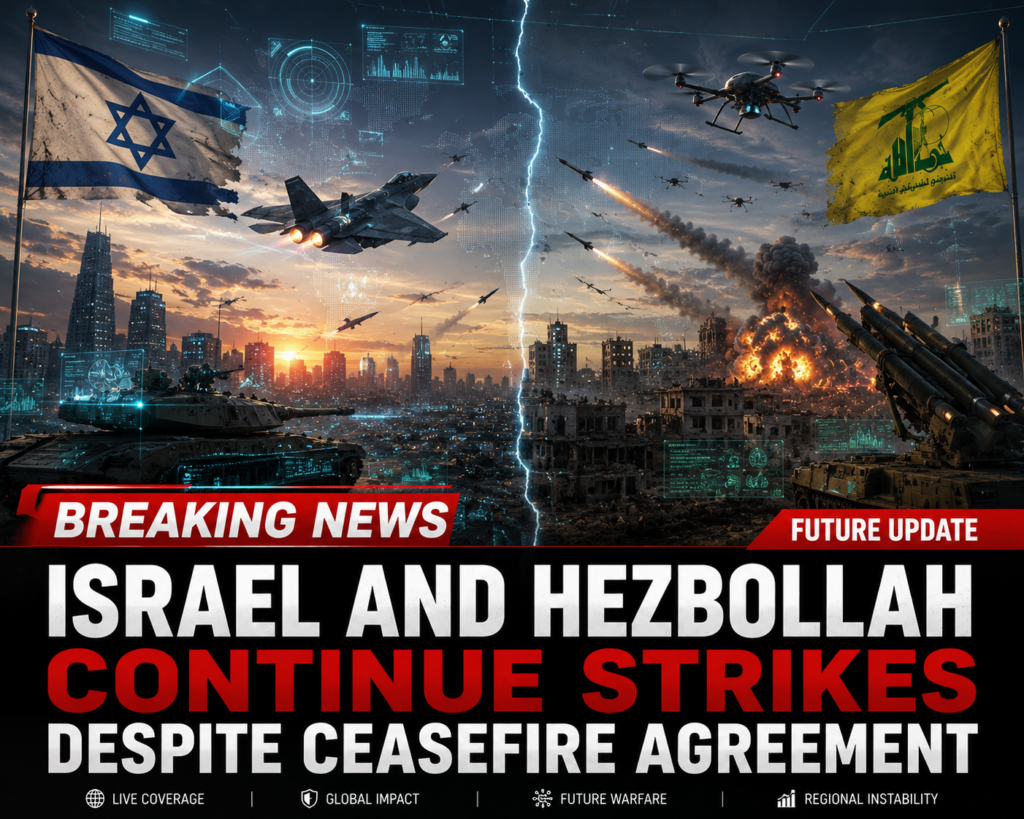
In this article, we explore Israel and Hezbollah Continue Strikes Despite Ceasefire Agreement: 10 Key Facts You Need to Know, providing a comprehensive overview of the conflict, the challenges facing peace efforts, and the potential implications for regional and international security.
Understanding the background and current developments is essential for anyone following Middle Eastern affairs, international relations, or global security issues.
Understanding the Israel-Hezbollah Conflict
Before examining the latest developments, it is important to understand the history of the conflict.
Hezbollah is a political and military organization based in Lebanon. Over the years, tensions between Israel and Hezbollah have led to multiple military confrontations. The most significant conflict occurred in 2006, resulting in widespread destruction and long-lasting political consequences.
Since then, periodic clashes, border incidents, and military operations have continued to shape relations between the two sides.
The latest escalation demonstrates how fragile ceasefire agreements can be in regions affected by long-standing political and military disputes.
Fact 1: Ceasefire Agreements Do Not Always End Hostilities
One of the most important facts to understand is that ceasefire agreements are not always synonymous with peace.
A ceasefire generally refers to a temporary halt in military operations. While it may reduce violence, it does not necessarily resolve the underlying causes of conflict.
In many cases:
- Political disagreements remain unresolved.
- Security concerns continue.
- Distrust between parties persists.
- Local incidents can quickly reignite tensions.
The current situation highlights how ceasefires can be vulnerable when deeper political and security issues remain unaddressed.
Fact 2: Border Regions Remain Highly Sensitive
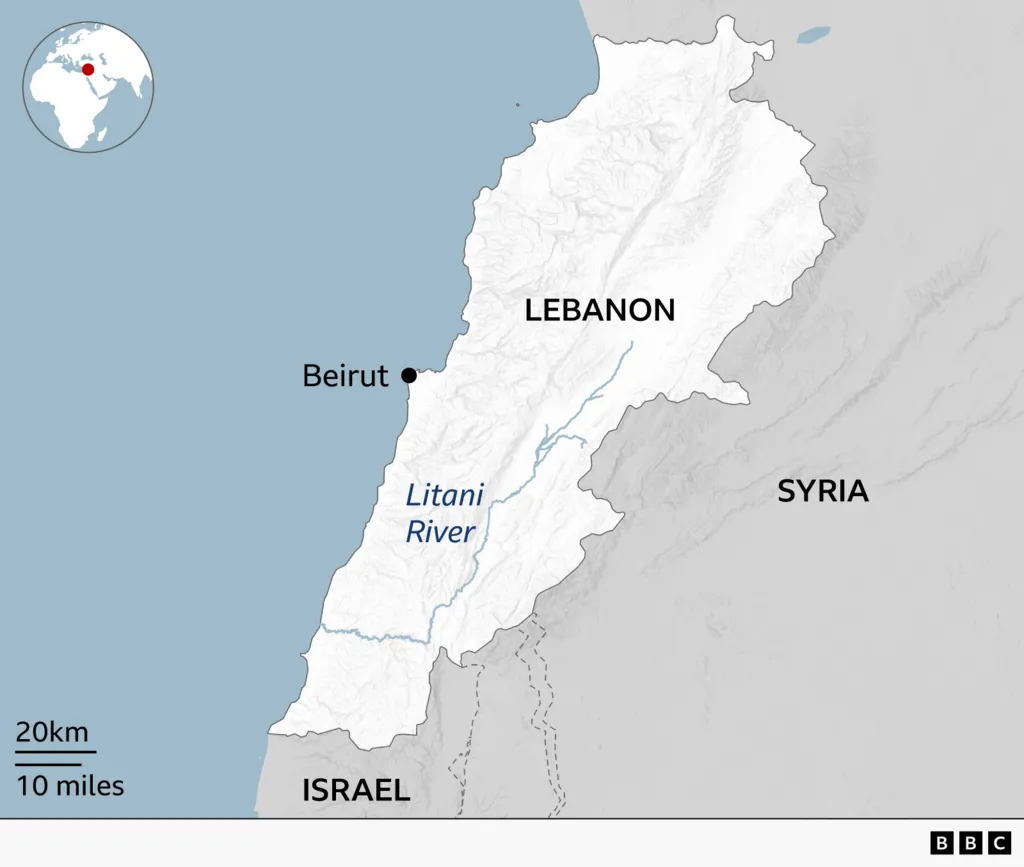
The Israel-Lebanon border has long been considered one of the most sensitive areas in the Middle East.
Even minor incidents can trigger larger confrontations.
Examples include:
- Cross-border rocket launches.
- Military patrol encounters.
- Surveillance activities.
- Airspace violations.
Because both sides maintain significant military capabilities near the border, any escalation can rapidly expand into broader conflict.
Security analysts often describe the border region as one of the most volatile areas in the world.
Fact 3: Regional Stability Is Directly Affected
When Israel and Hezbollah continue strikes despite ceasefire agreement efforts, the impact extends beyond the immediate conflict zone.
Neighboring countries closely monitor developments because instability can affect:
- Trade routes.
- Energy markets.
- Refugee movements.
- Diplomatic relations.
- Security cooperation.
The Middle East’s interconnected political landscape means that local conflicts often have regional consequences.
Governments throughout the region remain concerned about the possibility of a wider escalation.
Fact 4: Civilian Populations Face Significant Challenges
One of the most concerning aspects of any military confrontation is its effect on civilians.
Communities near conflict zones often experience:
- Displacement.
- Economic hardship.
- Infrastructure damage.
- Psychological stress.
- Limited access to services.
Families living near affected areas frequently face uncertainty regarding their safety and future.
Schools, businesses, and healthcare facilities may also experience disruptions during periods of heightened tensions.
The humanitarian dimension remains a central concern for international organizations.
Fact 5: International Diplomacy Plays a Critical Role
Diplomatic efforts are essential in preventing further escalation.
International actors often attempt to:
- Facilitate negotiations.
- Encourage restraint.
- Monitor ceasefire compliance.
- Support humanitarian assistance.
- Promote long-term stability.
Diplomatic channels can help reduce misunderstandings and create opportunities for dialogue.
However, successful diplomacy requires cooperation from all parties involved.
The ongoing situation demonstrates the challenges faced by mediators seeking to maintain peace.
Fact 6: Modern Warfare Extends Beyond the Battlefield
Today’s conflicts involve much more than traditional military operations.
Modern confrontations often include:
- Cybersecurity concerns.
- Intelligence operations.
- Information campaigns.
- Electronic surveillance.
- Strategic communications.
Both governments and organizations increasingly recognize the importance of digital and informational dimensions of conflict.
Public narratives and media coverage can significantly influence perceptions and political responses.
As a result, information management has become a key aspect of contemporary security strategies.
Fact 7: Economic Consequences Can Be Severe
Conflict and instability frequently produce economic challenges.
Potential consequences include:
Reduced Investment
Investors often avoid regions experiencing security uncertainty.
Tourism Decline
Travel warnings and security concerns can affect tourism industries.
Infrastructure Costs
Damage to infrastructure may require extensive reconstruction efforts.
Market Volatility
Regional tensions can influence energy prices and financial markets.
Businesses operating in affected regions must often adapt to rapidly changing circumstances.
The economic effects can persist long after active hostilities decline.
Fact 8: Military Deterrence Remains a Major Factor
Military deterrence refers to efforts designed to discourage adversaries from taking aggressive actions.
Both Israel and Hezbollah have historically emphasized deterrence strategies.
These strategies often involve:
- Demonstrating military readiness.
- Maintaining defensive capabilities.
- Conducting surveillance activities.
- Communicating security red lines.
Supporters argue deterrence can prevent larger conflicts.
Critics suggest it may contribute to ongoing cycles of escalation.
Understanding deterrence is essential when analyzing developments in the region.
Fact 9: Media Coverage Shapes Global Perception
News organizations around the world closely follow developments involving Israel and Hezbollah.
Media coverage influences:
- Public opinion.
- International responses.
- Diplomatic discussions.
- Humanitarian support efforts.
Different sources may present events from varying perspectives.
Readers are encouraged to consult multiple reputable sources when evaluating developments.
Critical thinking and media literacy are increasingly important in understanding complex international issues.
Fact 10: Long-Term Peace Requires More Than a Ceasefire
Perhaps the most important lesson is that sustainable peace requires comprehensive solutions.
A durable resolution often involves:
Political Dialogue
Addressing underlying disputes through negotiations.
Security Arrangements
Creating mechanisms that reduce the risk of future confrontations.
Economic Development
Improving opportunities for affected communities.
International Support
Encouraging cooperation among regional and global stakeholders.
Confidence-Building Measures
Reducing mistrust between opposing sides.
Without these elements, ceasefires may remain temporary rather than permanent solutions.
Practical Example: Why Ceasefires Sometimes Fail
Consider a hypothetical situation:
Two opposing parties agree to halt military operations.
However:
- Territorial disputes remain unresolved.
- Political leaders face domestic pressure.
- Security concerns continue.
- Trust between parties remains low.
Under these circumstances, even a small incident could trigger renewed hostilities.
This example helps explain why ceasefires often represent only the first step toward conflict resolution.
The current situation involving Israel and Hezbollah reflects many of these broader challenges.
The Role of International Organizations
International organizations frequently assist in conflict management efforts.
Their responsibilities may include:
- Monitoring ceasefire agreements.
- Supporting humanitarian operations.
- Facilitating dialogue.
- Providing technical expertise.
- Coordinating international assistance.
These organizations often work under difficult conditions and must balance political, security, and humanitarian considerations.
Their involvement remains an important component of broader peace efforts.
Security Implications for the Wider Middle East
The continuation of strikes despite ceasefire agreements has implications for the broader region.
Potential concerns include:
- Increased military tensions.
- Expanded regional involvement.
- Disruptions to economic activity.
- Humanitarian pressures.
- Greater geopolitical competition.
Security experts continue to assess whether the situation will stabilize or escalate further.
The outcome may influence regional dynamics for years to come.
What Happens Next?
Predicting future developments remains difficult.
Several possible scenarios exist:
Scenario 1: De-Escalation
Diplomatic efforts succeed and violence decreases.
Scenario 2: Continued Low-Level Conflict
Periodic exchanges continue without major escalation.
Scenario 3: Broader Escalation
Tensions intensify, leading to wider regional consequences.
Scenario 4: Renewed Negotiations
Parties engage in expanded diplomatic discussions aimed at achieving longer-term stability.
The actual outcome will depend on numerous political, military, and diplomatic factors.
Conclusion
The ongoing situation highlights the complexity of modern conflicts and the challenges associated with maintaining peace in volatile regions. As demonstrated throughout this article, Israel and Hezbollah Continue Strikes Despite Ceasefire Agreement: 10 Key Facts You Need to Know is more than a headline—it reflects broader issues involving security, diplomacy, regional stability, and humanitarian concerns.
The ten key facts discussed here provide valuable insight into why ceasefires can be difficult to sustain, how regional dynamics influence developments, and why long-term solutions require more than temporary agreements.
While diplomatic efforts continue, the international community remains focused on reducing tensions, protecting civilians, and encouraging dialogue. Understanding these developments is essential for anyone seeking to stay informed about one of the world’s most significant ongoing security challenges.