
Introduction
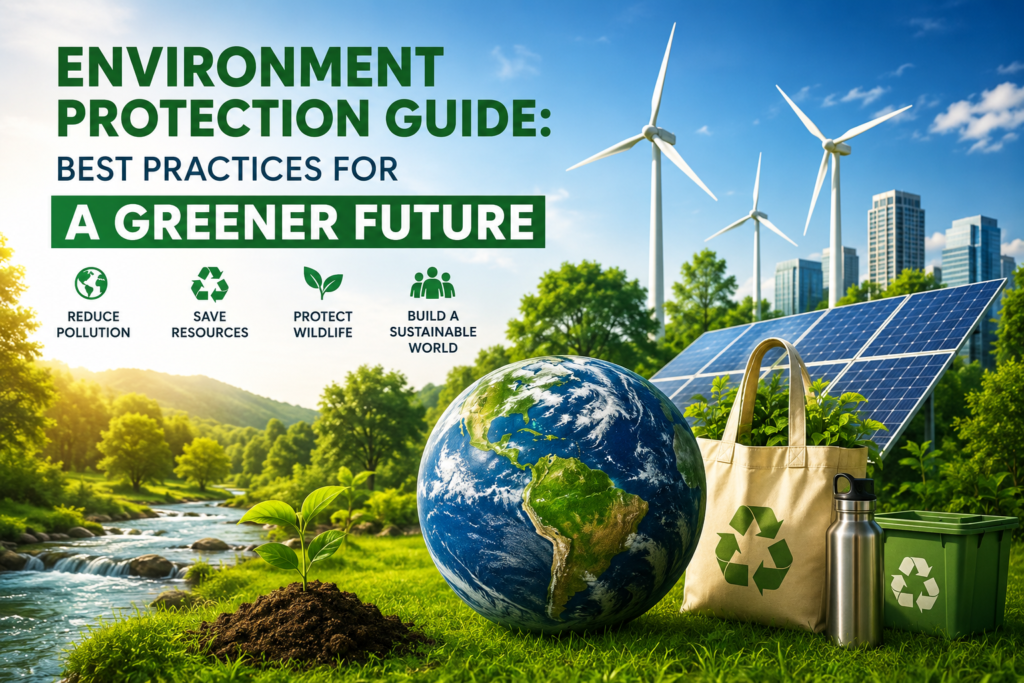
Environment Protection Guide: Best Practices for a Greener Future is an essential resource for anyone who wants to understand how to protect the planet and create a healthier future. As climate change, pollution, deforestation, and biodiversity loss continue to threaten ecosystems worldwide, adopting sustainable practices has become more important than ever. This guide explores practical solutions, expert advice, and everyday actions that can help individuals, communities, businesses, and governments protect the environment for future generations.
Environment Protection Guide: Best Practices for a Greener Future is more than just a topic for discussion—it is a global responsibility. Across the world, climate change, pollution, deforestation, biodiversity loss, and unsustainable consumption are threatening ecosystems, wildlife, and human well-being. Governments, businesses, communities, and individuals all have an important role to play in protecting the environment for future generations.
The Earth’s natural resources are under increasing pressure due to population growth, industrial expansion, urbanization, and excessive consumption. Clean air, safe drinking water, fertile soil, healthy forests, and thriving oceans are essential for life, yet many of these resources face unprecedented challenges.
Environmental protection is no longer optional. It has become one of the defining issues of the 21st century. The choices we make today will determine the quality of life for generations to come.
This Environment Protection Guide: Best Practices for a Greener Future explores the importance of environmental conservation, the biggest environmental challenges facing the world today, practical solutions for individuals and communities, and expert recommendations for creating a more sustainable future.

What Is Environmental Protection?
Environmental protection refers to actions taken to preserve, restore, and improve the natural environment.
Its primary goals include:
- Reducing pollution
- Conserving natural resources
- Protecting wildlife
- Preventing climate change
- Promoting sustainable development
- Preserving biodiversity
Environmental protection requires cooperation between governments, businesses, scientists, educators, and citizens.
Every action—whether large or small—can contribute to protecting the planet.
Why Environmental Protection Matters
The environment supports every aspect of human life.
Healthy ecosystems provide:
- Clean drinking water
- Fresh air
- Food production
- Medicine
- Energy resources
- Economic opportunities
Without healthy ecosystems, societies cannot thrive.
Environmental degradation affects:
- Public health
- Agriculture
- Fisheries
- Tourism
- Infrastructure
- Economic growth
Protecting nature is therefore also protecting human health and prosperity.
The Biggest Environmental Challenges
Climate Change
Climate change is one of the greatest environmental challenges facing humanity.
Greenhouse gas emissions continue increasing global temperatures.
Consequences include:
- Rising sea levels
- Heatwaves
- Floods
- Droughts
- Stronger storms
- Wildfires
Scientists warn that reducing carbon emissions is essential to limiting future climate impacts.
Air Pollution
Air pollution affects millions of people every year.
Major sources include:
- Vehicle emissions
- Industrial factories
- Burning fossil fuels
- Agricultural activities
Poor air quality contributes to respiratory diseases, heart disease, and premature deaths.
Improving clean energy and transportation systems can significantly reduce pollution.
Water Pollution
Rivers, lakes, and oceans face increasing pollution from:
- Plastic waste
- Chemicals
- Oil spills
- Untreated sewage
- Agricultural runoff
Clean water is essential for human survival.
Protecting freshwater resources remains one of the world’s highest environmental priorities.
Deforestation
Forests absorb carbon dioxide and support biodiversity.
However, millions of hectares of forests disappear every year due to:
- Logging
- Agriculture
- Mining
- Urban development
Protecting forests helps combat climate change while preserving wildlife habitats.
Biodiversity Loss
Thousands of plant and animal species face extinction.
Habitat destruction, pollution, invasive species, and climate change all contribute to biodiversity loss.
Healthy ecosystems depend on biological diversity.
Every species plays a role in maintaining ecological balance.
Sustainable Living
One of the most effective ways individuals can protect the environment is through sustainable living.
Simple lifestyle changes include:
- Using reusable shopping bags
- Reducing plastic use
- Conserving water
- Saving electricity
- Walking or cycling when possible
- Supporting environmentally responsible companies
Small daily actions collectively create significant environmental benefits.
Renewable Energy
Renewable energy is transforming the global energy sector.
Important renewable energy sources include:
- Solar energy
- Wind energy
- Hydroelectric power
- Geothermal energy
- Biomass
Renewable energy reduces greenhouse gas emissions while improving energy security.
Many countries continue investing heavily in clean energy technologies.
Recycling and Waste Management
Proper waste management reduces environmental pollution.
Recycling helps conserve:
- Paper
- Glass
- Plastic
- Aluminum
- Steel
Communities should encourage:
- Waste separation
- Composting
- Recycling programs
- Responsible disposal of electronic waste
A circular economy reduces waste while maximizing resource efficiency.
Protecting Wildlife
Wildlife conservation remains essential for healthy ecosystems.
Governments and conservation organizations work to protect endangered species through:
- National parks
- Wildlife reserves
- Anti-poaching laws
- Habitat restoration
- Scientific research
Public awareness also plays an important role in conservation efforts.
Green Technology
Technology is becoming an important environmental solution.
Modern innovations include:
- Electric vehicles
- Smart energy systems
- Carbon capture
- Green buildings
- Precision agriculture
- Artificial Intelligence for environmental monitoring
Technology continues creating new opportunities for sustainability.
The Role of Governments
Governments influence environmental protection through:
- Environmental laws
- Climate policies
- Renewable energy investments
- Pollution regulations
- Protected natural areas
International cooperation remains essential because environmental problems cross national borders.
The Role of Businesses
Companies increasingly adopt sustainable business practices.
Examples include:
- Reducing emissions
- Using renewable energy
- Sustainable packaging
- Responsible supply chains
- Carbon neutrality initiatives
Consumers increasingly support environmentally responsible brands.
The Role of Education
Environmental education helps future generations understand sustainability.
Schools teach students about:
- Climate science
- Recycling
- Conservation
- Renewable energy
- Responsible consumption
Education encourages long-term behavioral change.
Practical Tips for Everyone
You can help protect the environment by:
- Planting trees
- Conserving electricity
- Saving water
- Reducing food waste
- Recycling household waste
- Avoiding single-use plastics
- Supporting local environmental projects
- Using public transportation
- Purchasing sustainable products
- Educating others about environmental responsibility
Looking Ahead
Environmental protection will remain one of humanity’s greatest priorities.
Innovation, education, international cooperation, and individual responsibility will all shape the future of our planet.
Every positive action contributes toward building a cleaner, healthier, and more sustainable world.
Conclusion
Environment Protection Guide: Best Practices for a Greener Future reminds us that environmental protection is everyone’s responsibility.
Climate change, pollution, deforestation, biodiversity loss, and resource depletion require immediate attention.
By adopting sustainable habits, supporting renewable energy, protecting natural resources, and encouraging environmental education, individuals and societies can create meaningful change.
The future of our planet depends on decisions made today.
Working together, governments, businesses, communities, and individuals can build a greener, healthier, and more sustainable future for generations to come.