
Introduction
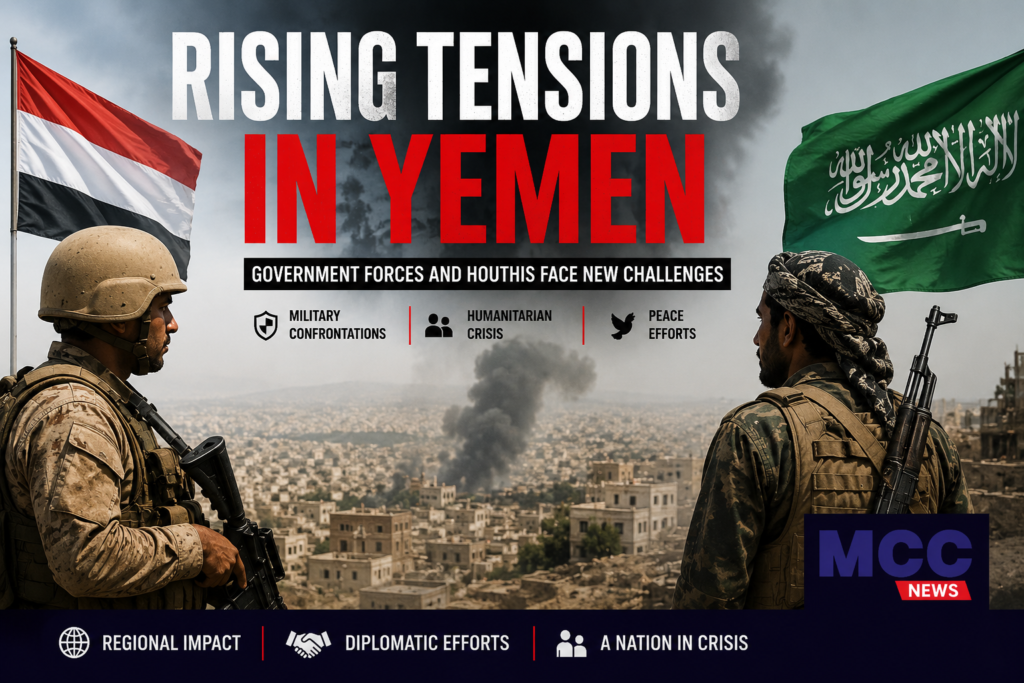
Rising Tensions in Yemen have once again attracted international attention as government forces and Houthi fighters continue military confrontations in several regions. Despite diplomatic efforts and peace initiatives, security concerns remain high as both sides strengthen their positions and prepare for possible future developments.
Yemen remains one of the world’s most complex and long-running conflicts, with fighting continuing between internationally recognized government forces and the Houthi movement.
Despite diplomatic efforts, prisoner exchanges, and repeated calls for peace, military tensions have once again increased in several regions of the country. Reports from recent weeks indicate renewed clashes, troop movements, and military preparations by both sides.
The latest developments have raised concerns among regional observers who fear that the conflict could enter a new phase of escalation after a period of relative calm.
Understanding Yemen’s Conflict
The conflict in Yemen began more than a decade ago and has evolved into one of the Middle East’s most challenging crises.
The internationally recognized government controls parts of the country, while the Houthi movement continues to hold significant territory, including the capital Sana’a.
Years of conflict have affected millions of Yemenis, creating humanitarian, economic, and security challenges.
Although periods of reduced violence have occurred, a comprehensive political settlement has yet to be achieved.

Renewed Fighting in Key Areas
Recent reports indicate that clashes have continued in several frontline areas.
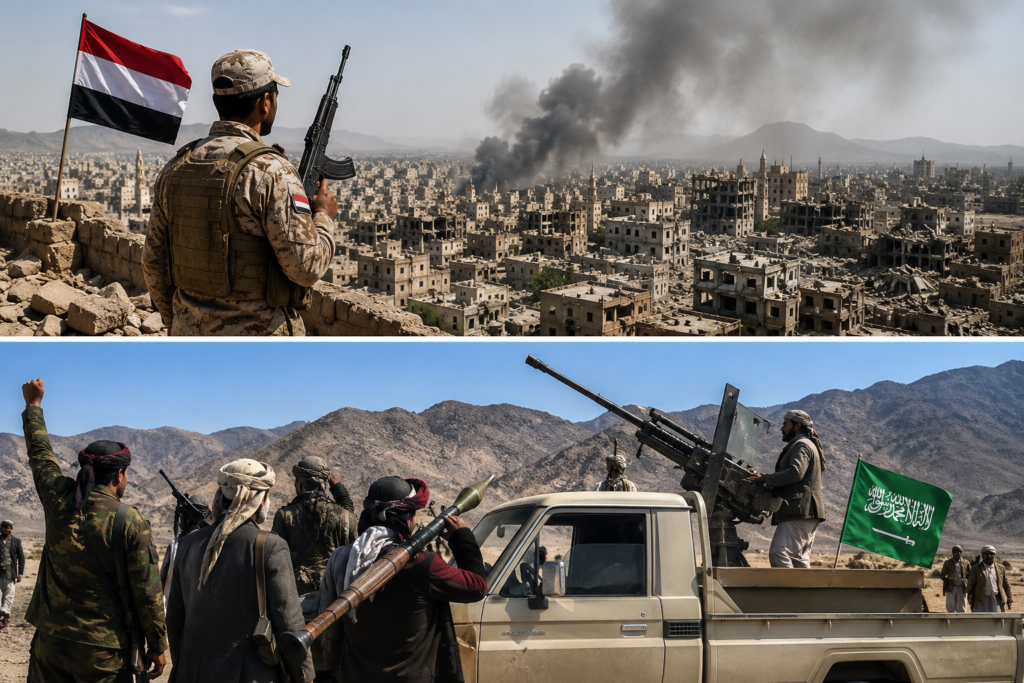
Military sources have reported exchanges of fire between government forces and Houthi fighters in strategic regions where both sides maintain strong military positions.
Local media have also reported attempts by both parties to strengthen defensive positions and reinforce troops.
Analysts believe these developments suggest that neither side is prepared to abandon its military objectives.
Strategic Importance of Hodeidah
One of the most important areas in the conflict remains Hodeidah Province.
The region is strategically important because of its access to the Red Sea and major transportation routes.
Control of Hodeidah has long been viewed as critical for both military and economic reasons.
Any significant escalation in this area could affect humanitarian operations and commercial activities throughout the country.
Military Preparations and Escalation Risks
Security experts have observed increasing military activity on several fronts.
Reports suggest that both government forces and Houthi fighters have been reinforcing positions, moving equipment, and preparing for potential confrontations.
While large-scale offensives have not been confirmed, the growing military activity has increased concerns about future escalation.
Military analysts warn that localized clashes can quickly expand if diplomatic channels fail to reduce tensions.
Humanitarian Challenges Continue
The conflict continues to have a significant impact on civilians.
Millions of Yemenis remain dependent on humanitarian assistance for food, healthcare, and basic services.
International organizations have repeatedly emphasized the importance of maintaining humanitarian access regardless of military developments.
Economic difficulties, inflation, and infrastructure damage continue to affect daily life for many families across the country.
Regional Implications
The Yemen conflict has implications beyond the country’s borders.
Developments in Yemen are closely monitored by neighboring countries and international powers because of the country’s strategic location near key maritime routes.
Security concerns related to the Red Sea and international shipping have increased global attention on Yemen’s stability.
Any major escalation could have broader consequences for regional security and economic activity.
Diplomatic Efforts and Peace Talks
Despite ongoing tensions, diplomatic efforts continue.
Recent prisoner exchanges and negotiations have demonstrated that communication channels remain open between the parties.
International mediators continue working to encourage confidence-building measures and reduce the risk of renewed large-scale warfare.
Many observers believe that a lasting solution can only be achieved through political dialogue rather than military confrontation.
What Happens Next?
The coming weeks may prove critical for Yemen’s future.
Several possible scenarios remain under discussion among analysts:
- Continued localized clashes.
- Renewed diplomatic negotiations.
- Expanded military operations.
- Additional humanitarian agreements.
- International mediation efforts.
The direction of the conflict will largely depend on decisions made by political and military leaders on all sides.
Conclusion
Yemen remains at a crossroads as tensions continue between government forces and Houthi fighters.
While neither side appears ready for a decisive breakthrough, recent military activity highlights the fragile nature of the current situation.
The international community continues to encourage dialogue and restraint, but the risk of renewed escalation remains a serious concern.
For millions of Yemenis affected by years of conflict, hopes for lasting peace remain closely tied to successful political negotiations and sustained international support.