
Introduction
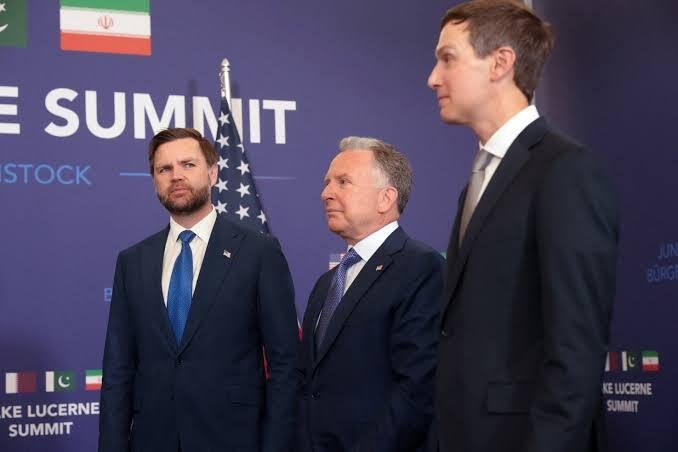
The announcement that the United States and Iran have agreed on a roadmap toward a final deal has drawn significant international attention. Diplomats, policymakers, investors, and regional stakeholders are closely monitoring developments as mediators praise the latest negotiations and highlight what they describe as meaningful progress. The breakthrough comes after years of tensions, stalled negotiations, sanctions disputes, and concerns regarding regional security.
The phrase “US, Iran Agree Roadmap for Final Deal as Mediators Hail ‘Progress’ in Talks: A Complete Guide to the Latest Developments” has become a focal point for discussions about the future of Middle Eastern diplomacy, nuclear negotiations, economic sanctions, and global energy markets.
This comprehensive guide examines the latest developments, the historical background behind the negotiations, the interests of both countries, the role of mediators, and the potential impact of a final agreement on regional and global stability.
Understanding the Significance of the New Roadmap
The newly announced roadmap represents more than just another diplomatic meeting. It serves as a structured framework intended to guide both sides toward a comprehensive agreement.
For years, negotiations between Washington and Tehran have experienced periods of progress followed by setbacks. The latest roadmap suggests that negotiators have identified key areas where compromise may be possible.
Several factors make this development particularly important:
- Renewed diplomatic engagement.
- Increased international support.
- Reduced risk of military escalation.
- Potential economic benefits.
- Improved regional security prospects.
The roadmap is viewed as a practical mechanism for transforming broad diplomatic goals into specific commitments and timelines.
Historical Background of US-Iran Relations
To understand why the latest talks matter, it is important to examine the history of relations between the United States and Iran.
Early Cooperation
Relations between the two countries were once relatively cooperative. During the mid-20th century, Iran was considered one of America’s key strategic partners in the Middle East.
Economic ties expanded, security cooperation increased, and both countries worked together on various regional issues.
The 1979 Iranian Revolution
The relationship changed dramatically following the Iranian Revolution in 1979.
The revolution led to:
- The collapse of the previous political order.
- The establishment of the Islamic Republic.
- The hostage crisis involving the US Embassy in Tehran.
- Severe diplomatic tensions.
Since then, relations have been marked by distrust, sanctions, and periodic confrontations.
Decades of Tension
Over the following decades, disagreements emerged over:
- Nuclear activities.
- Regional influence.
- Military operations.
- Economic sanctions.
- Human rights concerns.
These issues continue to shape negotiations today.
Why the Current Talks Matter
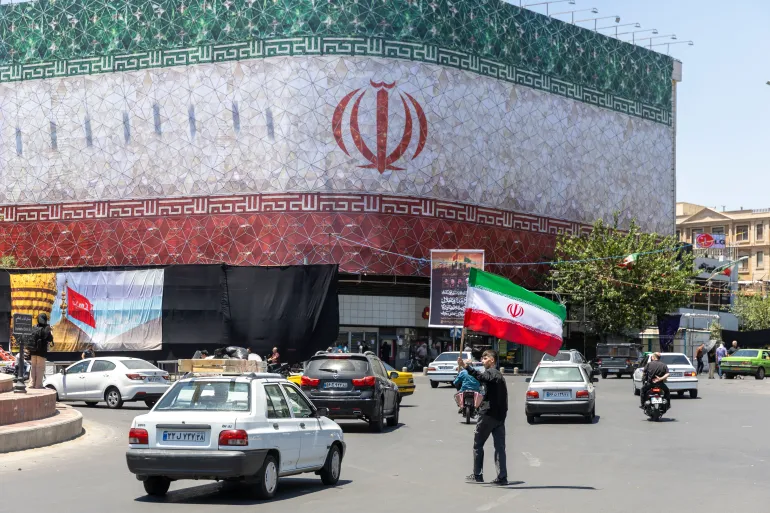
The latest negotiations are significant because they address multiple interconnected issues simultaneously.
Nuclear Concerns
One of the primary objectives is addressing concerns surrounding Iran’s nuclear program.
Many Western governments seek assurances that Iran’s nuclear activities remain peaceful.
Iran, meanwhile, argues that it has the right to pursue civilian nuclear development under international agreements.
The roadmap aims to create mechanisms that can satisfy both security concerns and national interests.
Economic Sanctions
Economic sanctions remain one of the most contentious issues.
Iran seeks:
- Sanctions relief.
- Greater access to global markets.
- Increased foreign investment.
- Improved economic growth.
The United States seeks commitments that justify any sanctions adjustments.
Regional Stability
The Middle East remains one of the world’s most strategically important regions.
A successful agreement could contribute to:
- Reduced regional tensions.
- Enhanced diplomatic cooperation.
- Improved security environments.
- Lower risks of military conflict.
The Role of International Mediators
One of the key reasons for the latest progress is the involvement of international mediators.
Diplomatic mediators help:
- Facilitate communication.
- Clarify misunderstandings.
- Propose compromise solutions.
- Maintain negotiation momentum.
Without mediators, complex negotiations often become difficult due to political sensitivities and historical mistrust.
Why Mediators Are Praising Progress
Mediators have described recent developments as positive because negotiators appear willing to focus on practical outcomes rather than political rhetoric.
Signs of progress reportedly include:
- Constructive dialogue.
- Agreement on procedural issues.
- Identification of common interests.
- Development of implementation frameworks.
Such developments often indicate that negotiations are moving beyond preliminary discussions.
Key Components of the Proposed Roadmap
Although specific details may evolve, experts believe the roadmap likely includes several critical components.
1. Confidence-Building Measures
Confidence-building measures are essential in diplomatic negotiations.
Examples may include:
- Enhanced transparency.
- Verification mechanisms.
- Increased communication channels.
- Gradual implementation schedules.
These measures help reduce mistrust between negotiating parties.
2. Verification Procedures
Verification is often one of the most important aspects of international agreements.
Any final deal will likely require:
- Monitoring systems.
- Reporting requirements.
- Independent inspections.
- Compliance reviews.
Verification mechanisms help ensure commitments are fulfilled.
3. Phased Implementation
Rather than implementing all commitments immediately, agreements are often introduced in stages.
Benefits of phased implementation include:
- Reduced political risk.
- Easier compliance monitoring.
- Greater flexibility.
- Increased confidence among stakeholders.
Potential Economic Impact of a Final Agreement
The economic implications of a successful agreement could be substantial.
Impact on Iran’s Economy
A final deal could provide opportunities for:
- Increased exports.
- Greater foreign investment.
- Enhanced trade relationships.
- Economic modernization.
These benefits could help improve economic conditions and create new opportunities for businesses.
Impact on Global Energy Markets
Iran possesses significant energy resources.
A comprehensive agreement could influence:
- Oil production levels.
- Energy exports.
- Global energy prices.
- Supply chain stability.
Energy markets often react quickly to major geopolitical developments involving key producers.
Impact on International Businesses
Many multinational companies monitor diplomatic developments closely.
A successful agreement could create opportunities in sectors such as:
- Energy.
- Infrastructure.
- Technology.
- Manufacturing.
- Transportation.
Businesses often seek clarity and predictability before making long-term investment decisions.
Security Implications of the Negotiations
Security remains one of the most important dimensions of the talks.
Reduced Risk of Escalation
Diplomatic engagement can reduce the likelihood of misunderstandings that might otherwise lead to conflict.
Benefits include:
- Improved communication.
- Crisis management mechanisms.
- Enhanced transparency.
- Greater predictability.
Regional Cooperation Opportunities
Successful negotiations may encourage broader regional cooperation initiatives.
Areas of potential cooperation include:
- Maritime security.
- Counterterrorism efforts.
- Trade development.
- Humanitarian initiatives.
Regional cooperation often contributes to long-term stability.
Challenges That Could Still Derail the Agreement
Despite the positive momentum, significant challenges remain.
Political Opposition
Negotiators frequently face domestic political pressures.
Some groups may argue:
- The deal goes too far.
- The deal does not go far enough.
- National interests are being compromised.
Managing domestic expectations is often one of the most difficult aspects of diplomacy.
Verification Disputes
Verification requirements can become highly controversial.
Questions often arise regarding:
- Access rights.
- Inspection procedures.
- Reporting standards.
- Enforcement mechanisms.
Resolving these issues requires extensive technical and diplomatic work.
Regional Dynamics
The broader regional environment can also affect negotiations.
Unexpected developments may create new challenges or alter political calculations.
As a result, negotiators must remain flexible and adaptable.